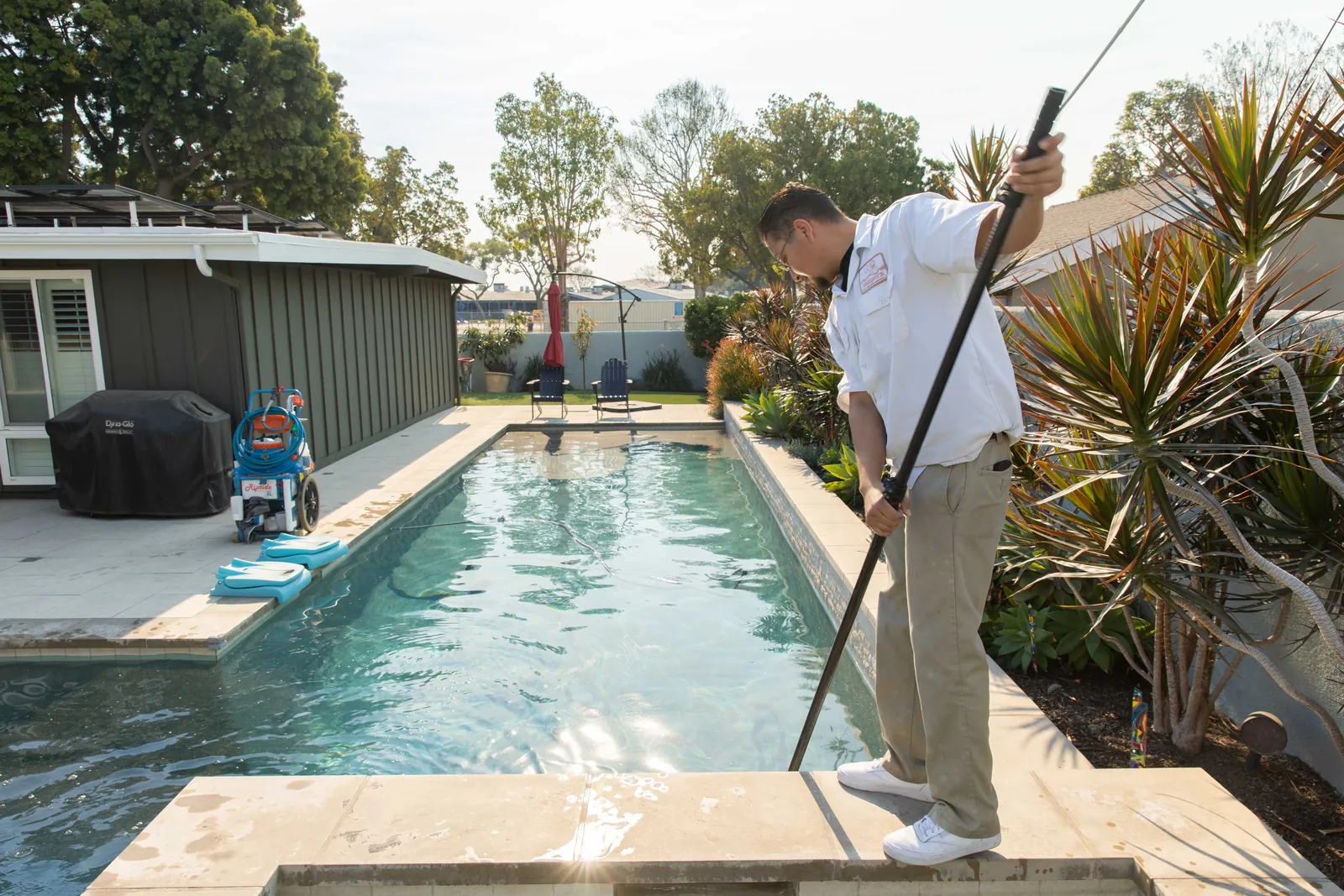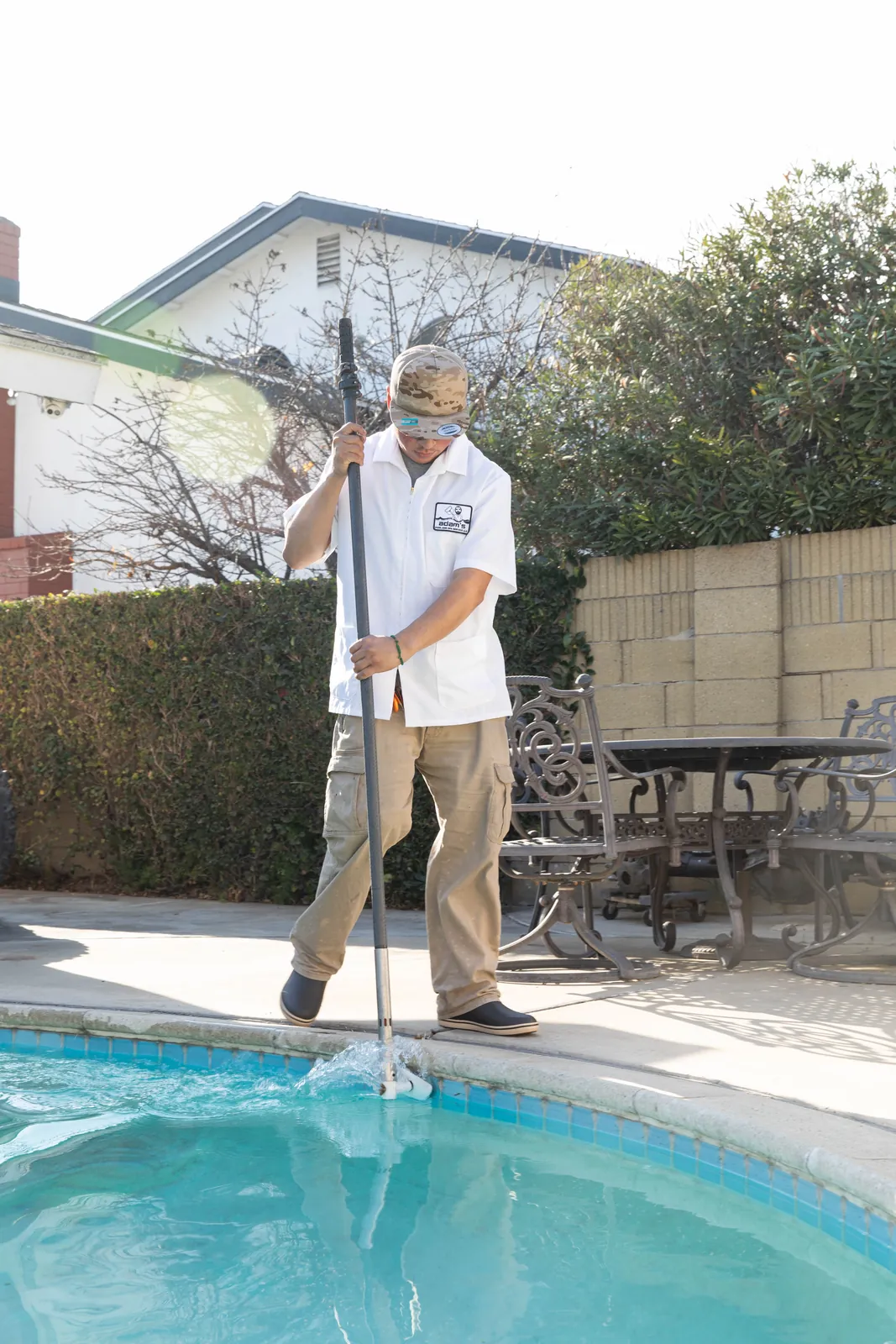
Custom gunite shell
Built on site like a small pool with a steel-tied concrete shell. You pick the shape, depth, bench layout, and tile. Lasts 25 to 30 years. Best for pool-spa combos and luxury stand-alone builds.
This in-ground spa guide covers the five things to settle before you call a builder. It walks shell types, features, decision flow, and the maintenance reality of a Long Beach in-ground spa.
An in-ground spa is sometimes called a built-in hot tub. Adams uses "spa" throughout this guide because that is the trade term and the build category we work in. We do not service portable or above-ground hot tubs.
An in-ground spa is a built-in soaking and hydrotherapy unit whose rim sits flush with your deck, patio, or pool coping. The shell is either a custom gunite build poured on site or a factory-made acrylic insert dropped into a prepared hole. Either way it is a permanent fixture, not a portable unit.
In-ground spas hold 2 to 8 people and heat to a maximum of 104 degrees. They last 15 to 20 years with normal care. Pricing is fair and transparent for the quality of service you should expect. The real planning is shell, jets, heater, and integration.
Five build types cover almost every Long Beach in-ground spa installation. Pick the type before you compare features. Spa installation projects fall into one of these five lanes.
Built on site like a small pool with a steel-tied concrete shell. You pick the shape, depth, bench layout, and tile. Lasts 25 to 30 years. Best for pool-spa combos and luxury stand-alone builds.
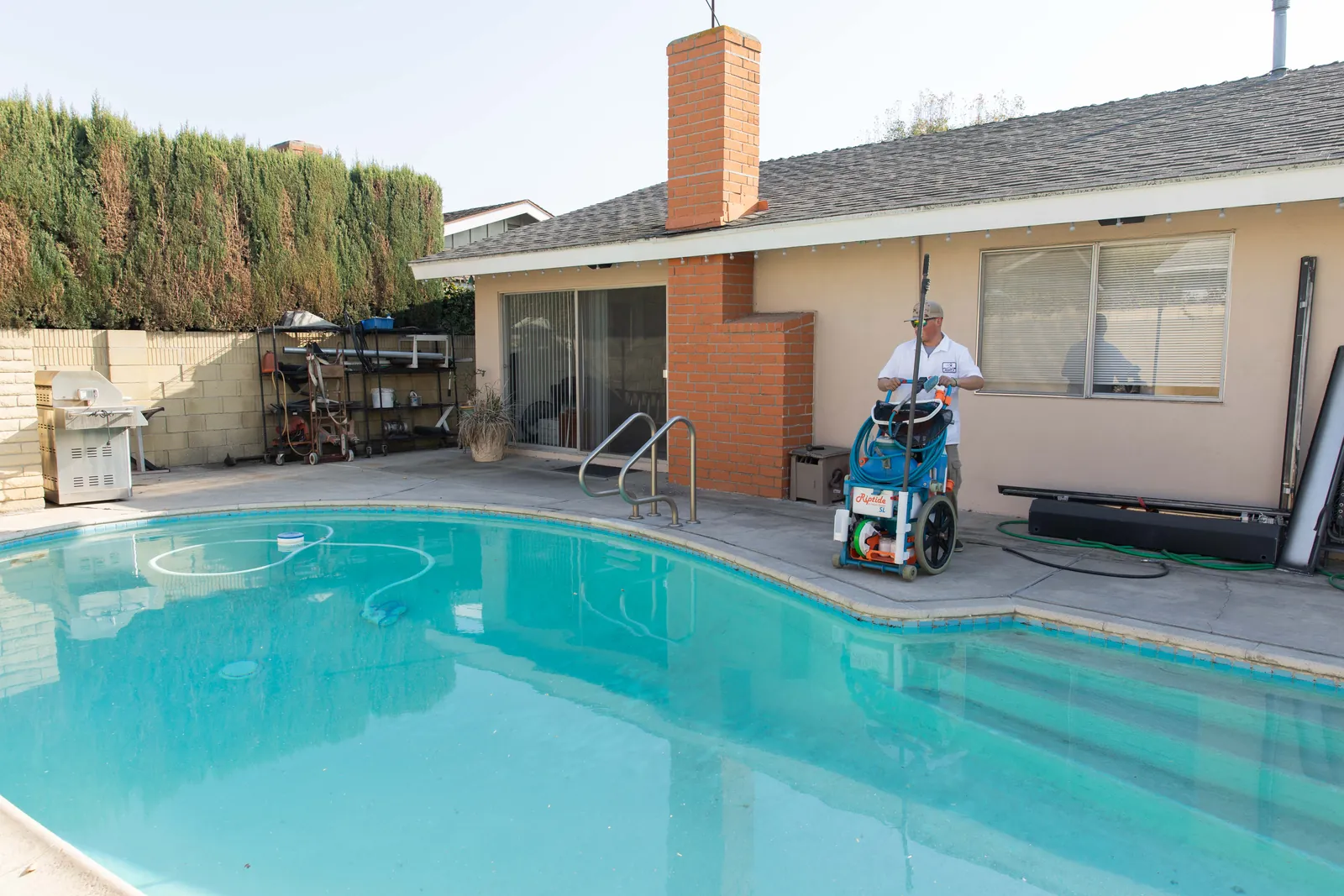
Factory-made acrylic or fiberglass shell from Bullfrog Spa, Master Spas, or Caldera dropped into a prepared hole. Built-in seats and jets. Faster to install. 15 to 20 year lifespan.
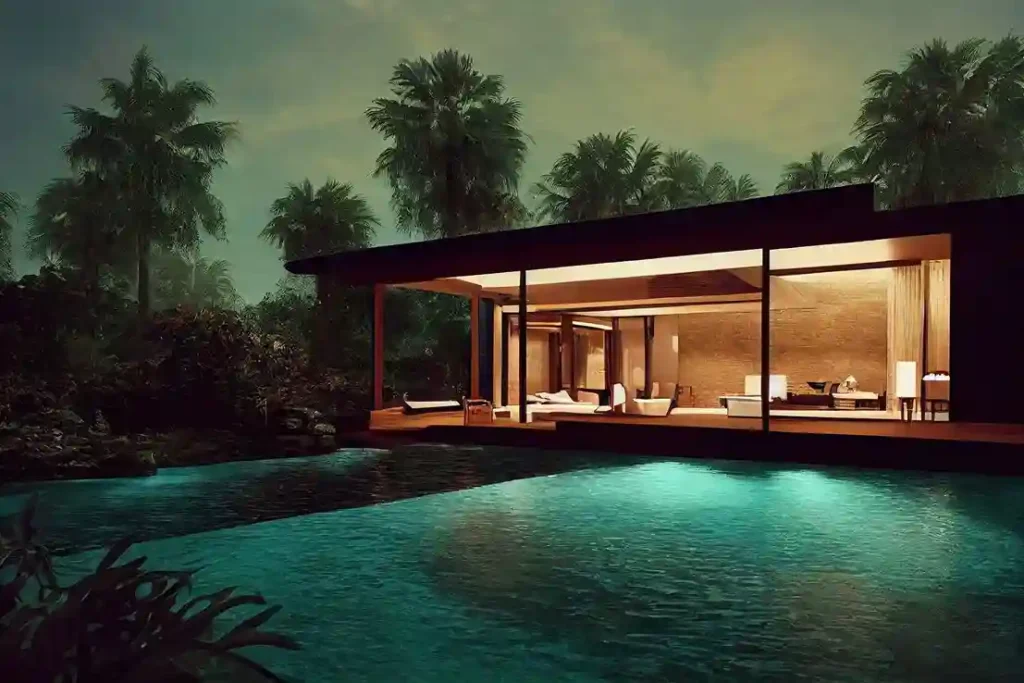
Raised spa wall feeds water back into the pool through a stone or tile lip. Shares the pool pump and heater. Best when you already own the pool and want a soak nook.
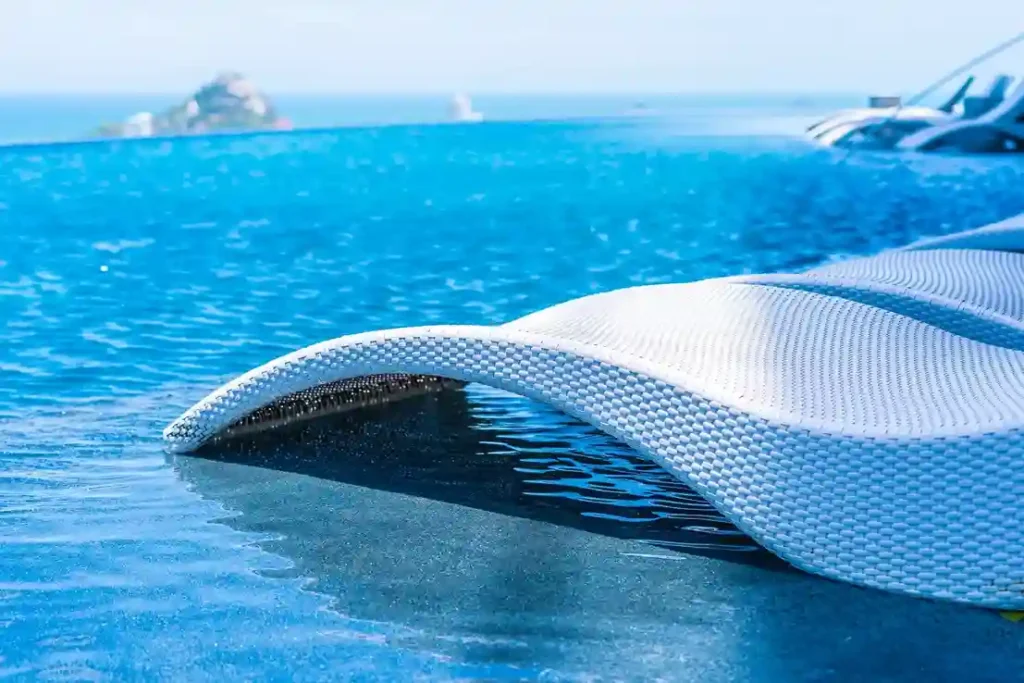
Spa sits 18 to 24 inches above grade with a finished surround. Easier ingress for older soakers. Common in Belmont Heights and Lakewood retrofits.
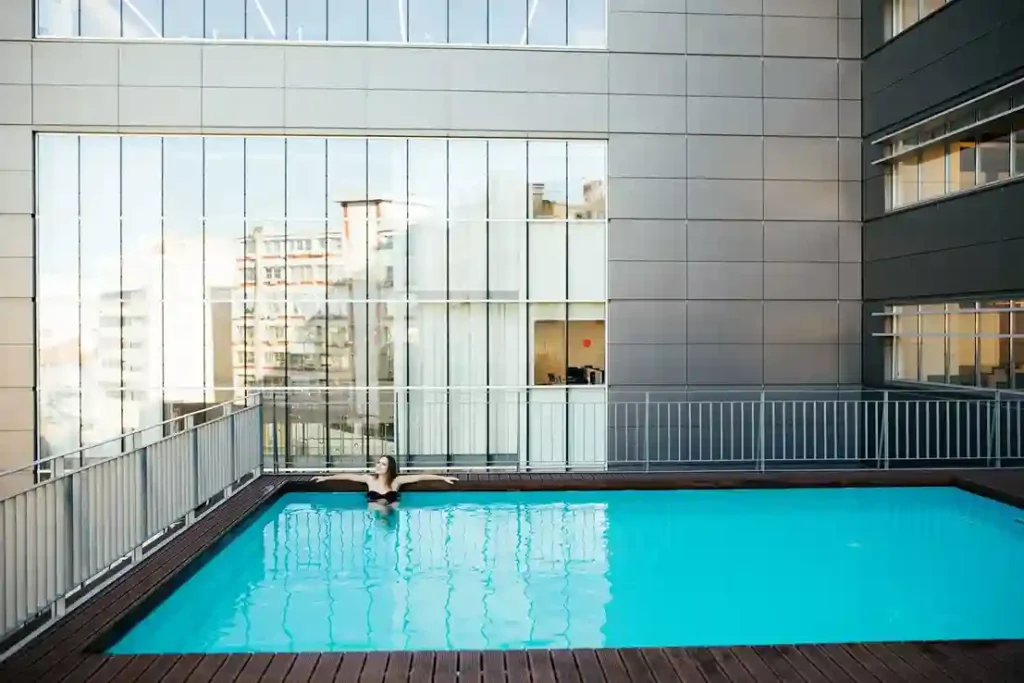
Both shells poured in the same project. Shared excavation, plumbing, and electrical. Saves $2,000 to $10,000 versus building each separately. See pool spa combo design for combo design notes.
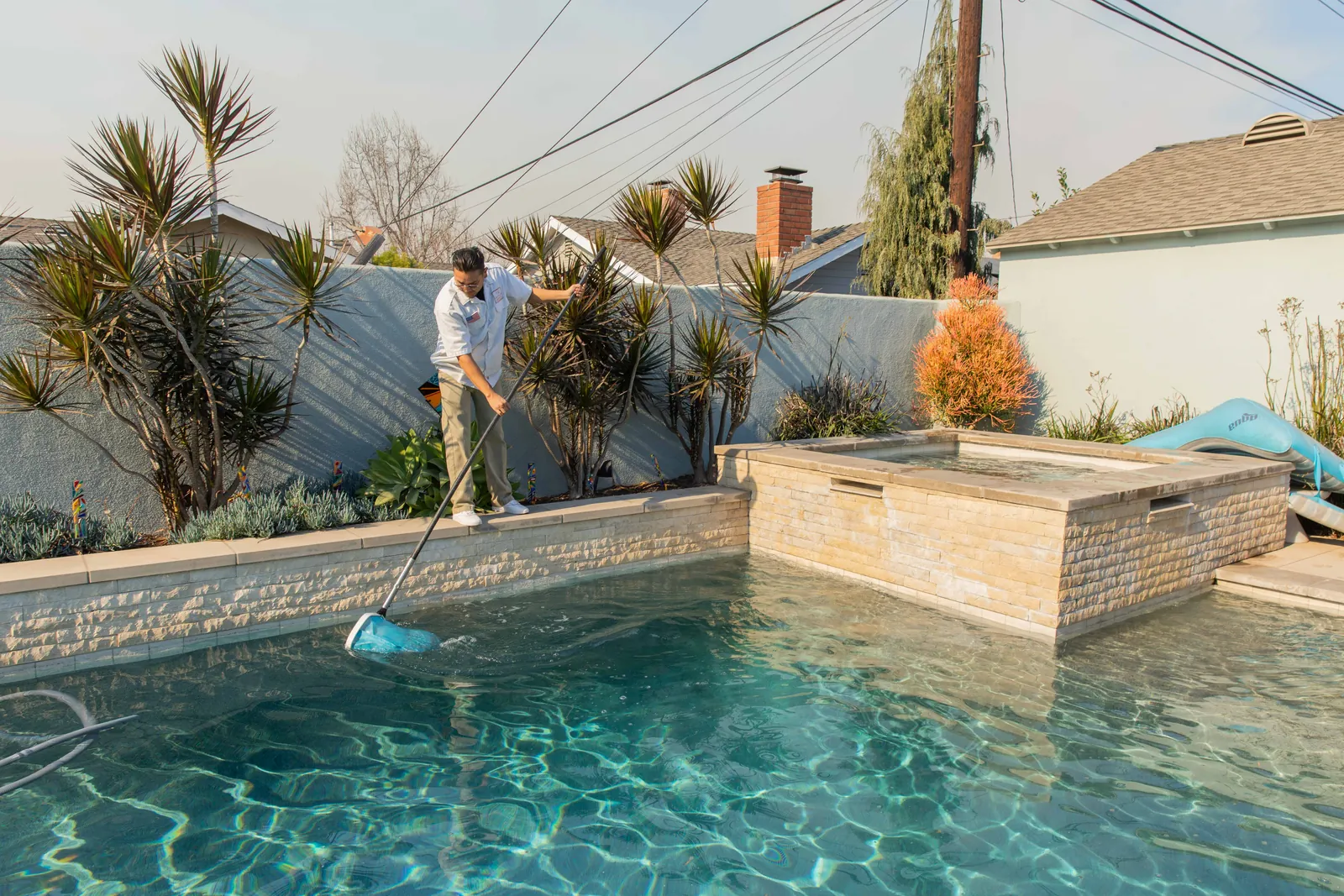
Long, narrow tank with a swim current at one end and a soak section at the other. Counts as a swim-spa, not an in-ground spa, but searchers compare both. Manufacturer reference at Master Spas swim spa overview.
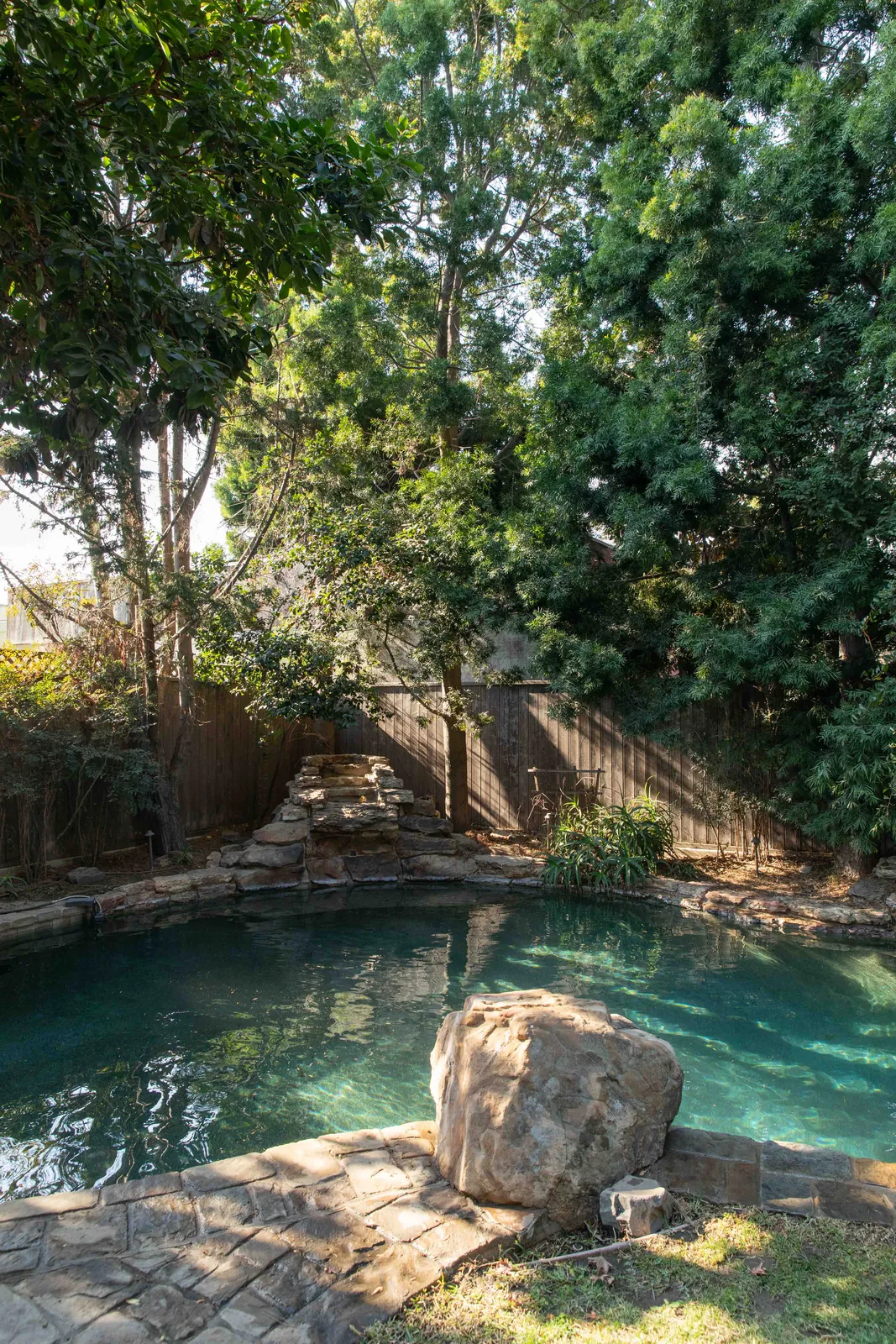
Six features carry most of the cost-versus-value calculus and shape every cost breakdown. Read this section before you compare quotes so you know what each line item means.
Therapy jets target shoulders and lower back. Foot jets ease tired feet. Neck jets help cervical tension. Six jets share one pump. Twelve to twenty therapy jets need a second pump. More jets is not always better, more zones is.
Gas heaters fire fast for twice-a-week soakers. Heat pumps run cheaper for daily users in Long Beach mild weather. Electric resistance has the smallest upfront wiring cost but the highest monthly electricity bill. Pick fuel by use frequency, not price tag.
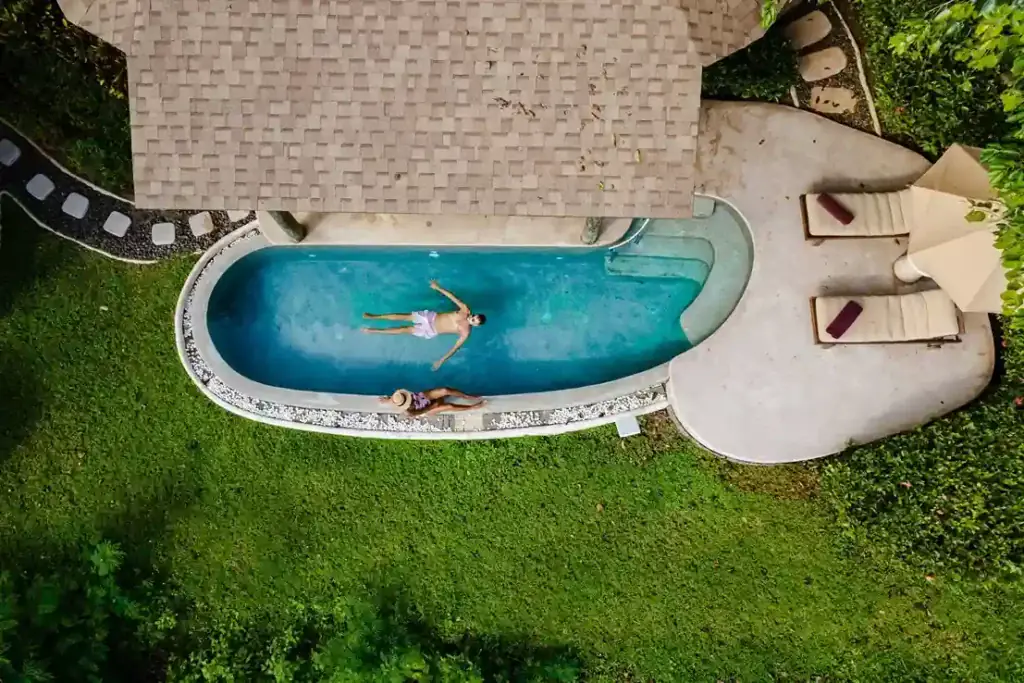
Pentair IntelliCenter or Jandy iAquaLink lets you preheat the spa from your phone. Worth it on combos and on spas with multiple zones. A budget stand-alone with a basic topside control panel is fine without it.
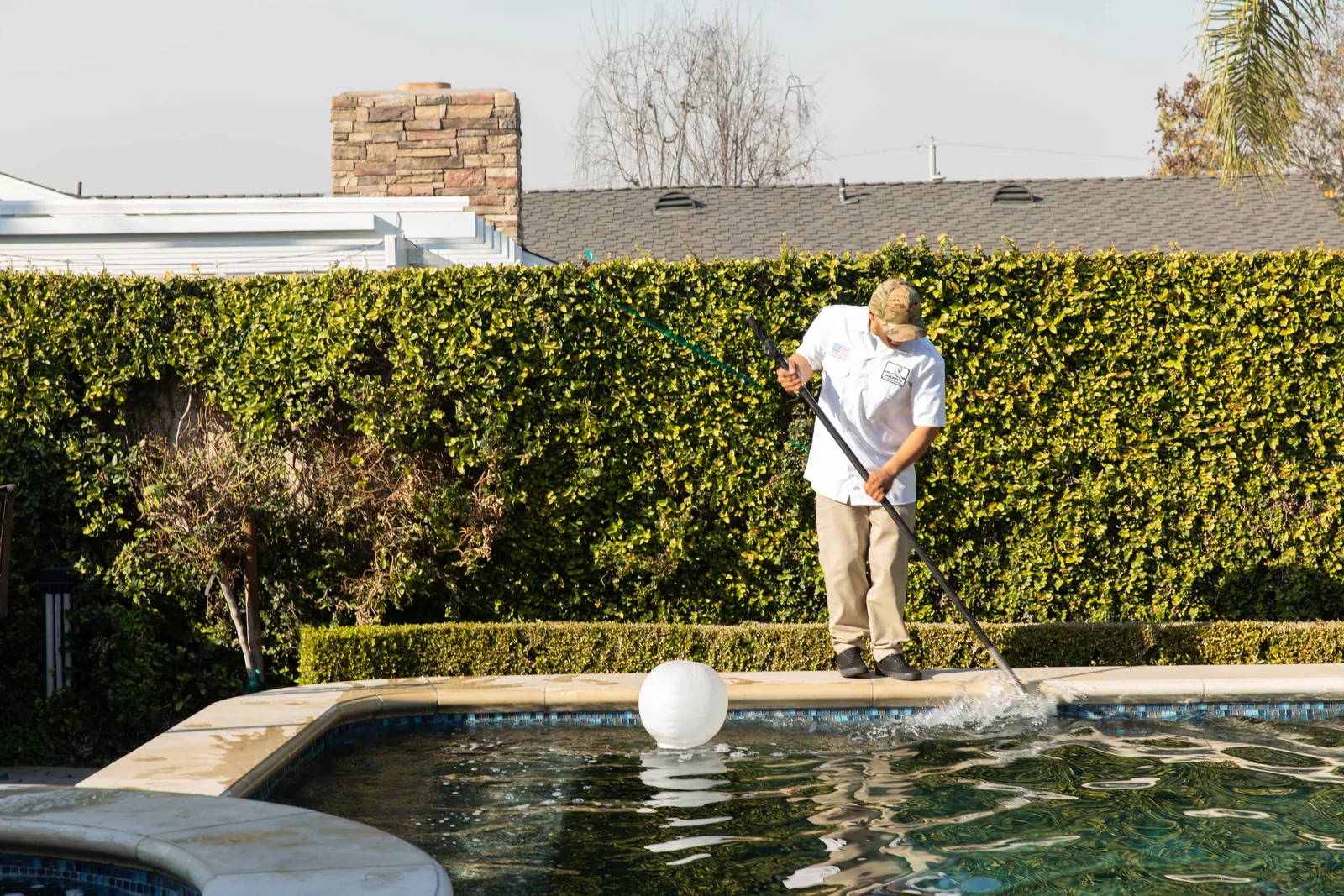
Color-changing LED in the shell, behind a spillway, or under the bench. Adds about $500 to $1,500 installed. Looks great. Not essential.
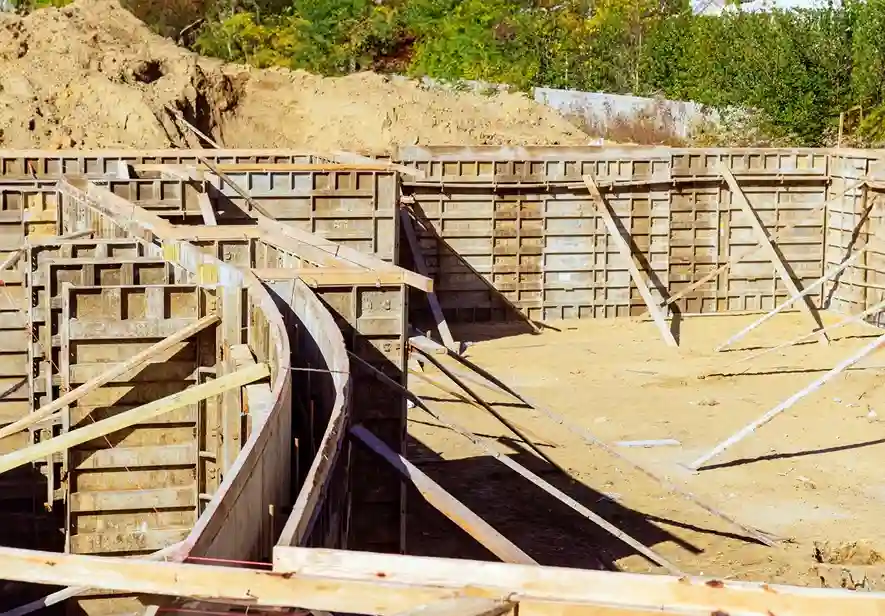
Plaster is the budget pick. NPT pebble or quartz finish lasts longer and feels better underfoot, $2,500 to $6,000 more on a custom shell. Acrylic prefab shells skip this decision.
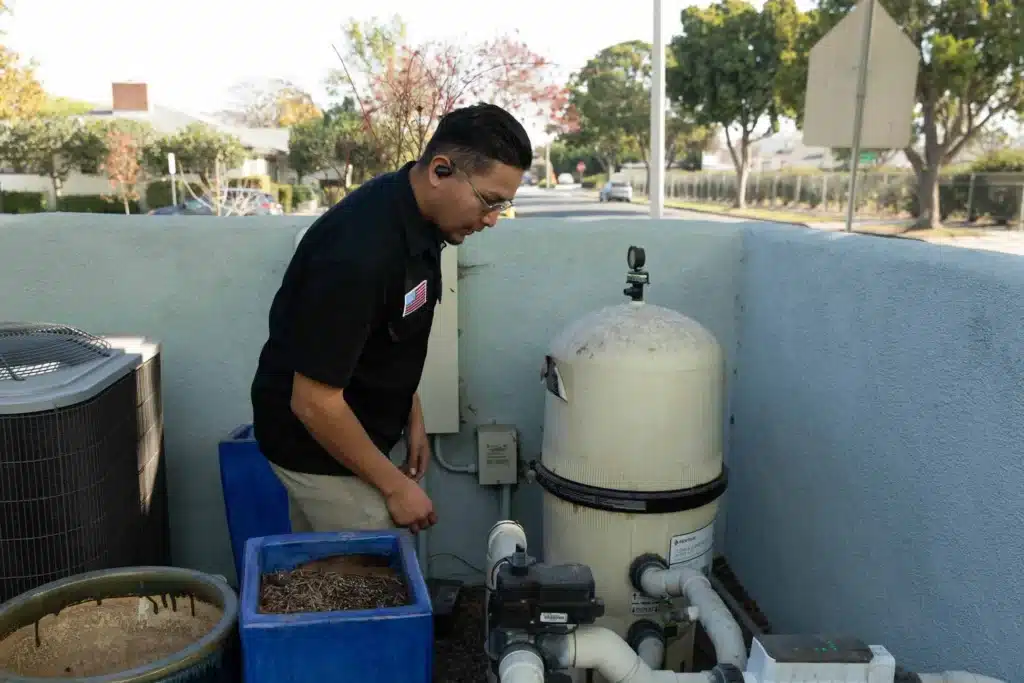
Saltwater systems convert salt to chlorine on the fly and feel softer on skin. Ozone or UV cuts chemical use further. Either adds $1,000 to $2,500 upfront and pays back over a few years in lower chemical costs.
A clean decision flow keeps the cost factors clear and the planning short. Walk these five steps in order before any builder visit.
Measure the spot and check side-yard access. Tight side yards in Bixby Knolls and California Heights often need a crane drop on a prefab shell.
Two-person hydrotherapy nook, family-of-four entertaining spa, or pool-attached soak after laps. The use case sets size, jet zones, and seating layout.
Building both? Combo build saves on shared excavation, plumbing, and electrical. Already own the pool? A spillover or attached spa is a different scope, often six to ten weeks.
Stand-alone with a clear ten year horizon and a clean side yard, prefab acrylic. Specific shape, integrated spillway, or thirty year asset, custom gunite. Both are honest builds.
Plaster shell, six jets, basic heater is the floor. Pebble finish, twelve therapy jets, full automation, and LED is the ceiling. Most Long Beach buyers land in the middle.
Maintenance on an in-ground spa is easier than a pool in time but harder in chemistry. The water volume is smaller, so chlorine, pH, and alkalinity shift faster than they do in 20,000 gallons.
Plan to test water two to three times a week and rinse the filter cartridge every few weeks. Drain-and-refill runs every three to four months. Cover replacement runs every three to seven years. Plan $30 to $80 a month in Long Beach for chemistry and heat together.
A well-maintained gunite spa lasts 15 to 20 years on the shell. Salt air on coastal yards in Belmont Shore and Naples Island shortens metal heater life. Corrosion-resistant hardware is worth the upcharge within a mile of the water.
See spa repair near me for what equipment service looks like after year three.
"Adam performed a pool control system upgrade for us, replacing our old wall unit with Pentair app for our phones. The app is easy to use and can turn lights, heater and water features on with a single click. Adam was very responsive when we needed a couple extra features installed."
"Adam's Pool and Spa Service service was communicative, competitively priced, timely, and professional at every step of my pool filter and salt water chlorinator install. Adam explained every piece of equipment and how to maintain it in a way that I could understand."
"I've worked with many spa/pool companies over the last 8 years, but I've never come across anyone as knowledgeable and friendly as Adam."
"We have used Adam's Pool and Spa Service since we built our pool 7 years ago. The service has been great and the pool is always clean and sparkling throughout the year. They are very good at helping us or answering any of our questions."
"Adam himself comes out whenever I call with specific issues, which is not very often. I would definitely recommend him!"
"Adam's Pool and Spa Service was extremely helpful in upgrading our pool pump. They helped us source the best price and they were readily available to do the install."
We build in-ground spas across Long Beach and surrounding LA County, roughly 25 miles from the shop on 910 E 72nd Street. Coastal yards favor raised spas with spillways. Inland yards run more pool combo work.
Studio service, full build crew. See Long Beach.
Coastal raised-spa work, pool spa combos. See Belmont Shore.
Tight side yards, crane drops. See Bixby Knolls.
Inland gunite combos and stand-alone spas. See Lakewood.
LA County coastal and inland builds. See Seal Beach.
Full LA County coverage map and locations list. See all locations.
Most regrets trace to two mistakes. Picking a prefab shell on a yard that needed a custom gunite shape. Or specifying jets and automation on a stand-alone spa that gets used twice a month. Walk the decision flow above before talking to a builder. Name the use case, the integration with any existing pool, and the soak frequency. The right shell type follows from those answers.
Some are, some are not. Therapy jets in the right zones earn their keep on daily-use spas. Automation pays back on combos and multi-zone setups. LED lighting is a quality-of-life feature with no functional payback. Foot jets and neck jets matter more than total jet count. Ask the builder which features serve your use case versus which the spec sheet defaults to.
Building both at once is the cheap path. Combo construction saves $2,000 to $10,000 in shared excavation, plumbing, and electrical because the crew is already on site. Adding a spa to a finished pool means a spillover retrofit, which is a separate dig and a separate set of permits. Adding a stand-alone spa to a yard with no pool is the simplest scope.
Two-person spas run 5 by 7 feet, fit a tight side yard, and hold 200 to 300 gallons. Family-of-four spas run 7 by 7 feet and hold 400 to 500 gallons. Six-to-eight-person spas built for entertaining run 8 by 9 feet or larger and hold 500 to 800 gallons. Larger spas cost more to heat, fill, and chemistry-balance. Size to actual use, not occasional dinner parties.
About ten minutes a week for chemistry testing and two minutes after each soak to rinse the cover. Drain-and-refill every three to four months takes a couple hours plus chemistry rebalance time. Filter cartridge swap every twelve to twenty-four months is a thirty minute job. Compared to a pool, the chemistry shifts faster but the volume is smaller, so the absolute time is less.
For twice-a-week soakers, gas wins on fast heat-up. For daily users, a heat pump wins on monthly cost in our mild climate. Electric resistance is for small prefab shells with low use only. The gas-line check is the first variable to settle. A 1/2 inch line will not feed a 400,000 BTU spa heater. A new 3/4 inch run from the meter is its own line item.
No. Adams works on in-ground spas only. If you have a portable or plug-and-play hot tub, we will refer you to a shop that handles those.
Call Adam's Pool and Spa Service for a site visit, an honest decision-flow review, and a permit-handled build with post-build service.
Related reading: residential spa installation · in-ground spa installation · in-ground spa cost · pool spa combo design · spa repair near me · spa installation · pool and spa maintenance.
External references: Bullfrog Spa hydromassage jet pack education · This Old House guide to in-ground spas · Wikipedia entry on the swimming pool.
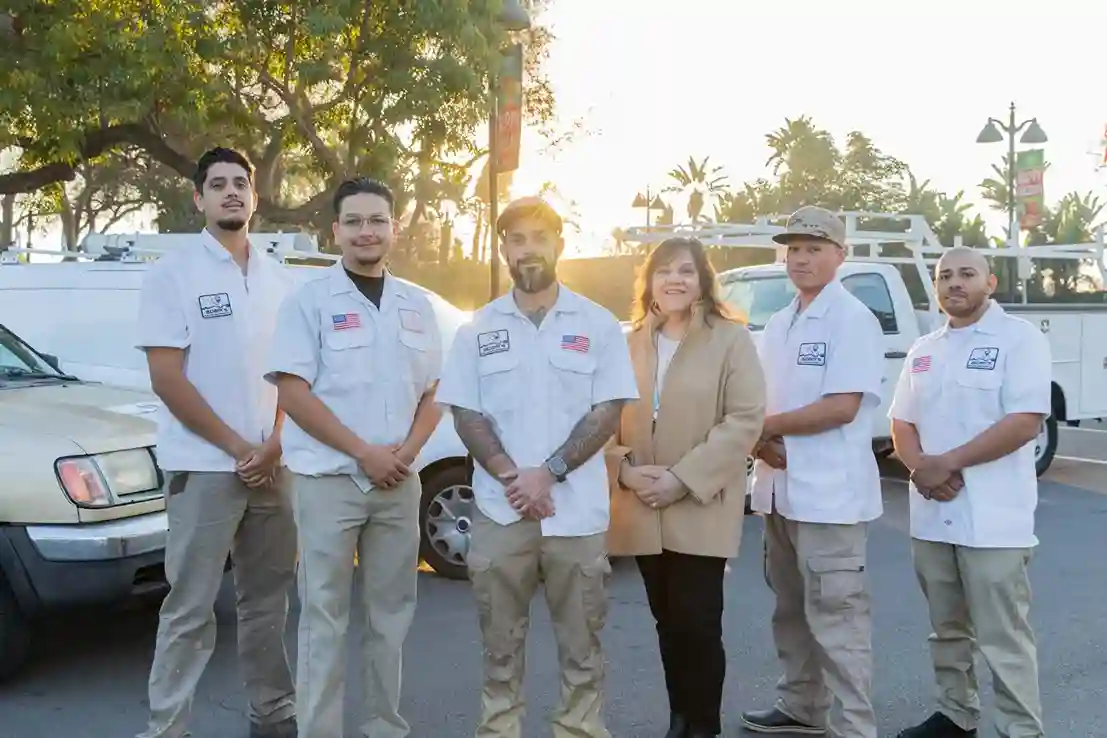
Adam Aguirre has built and serviced in-ground spas across Long Beach since 2013. He brings 15 years of hands-on pool and spa work and certifications from Jandy, Pentair, and NPT. Adam writes these guides the same way he runs site visits. He walks the homeowner through the trade-offs and names the line items every quote should carry.