pool replastering long beach

A pool that looks brand new under your feet and brand new in every photo. Pool replastering in Long Beach for families and property managers.

Worn plaster, hairline cracks, calcium lines, and rough patches are the classic signs that a pool's interior surface has reached the end of its life. Adams Pool & Spa offers full pool replastering in Long Beach with white plaster and quartz plaster finishes that restore a smooth surface, strengthen the pool shell, and extend your pool's lifespan by another decade or more. Whether your floors and walls are etched, your steps and benches are flaking, or your waterline tile is staring back at a stained, chalky shell, we chip out the old plaster, apply a fresh layer, and bring your pool back.

Adams Pool & Spa, pool replastering

What is pool replastering and when does your Long Beach pool need it?

Pool replastering is the process of removing the worn plaster from a pool's interior and applying a fresh layer of white or quartz plaster. Long Beach pools typically need replastering every 7 to 12 years, depending on the finish. Most jobs run 5 to 7 days from drain to refill.

Long Beach water runs hard. That calcium etches plaster faster than inland water does, which is why so many pools in Bixby Knolls, Belmont Heights, and Lakewood need attention sooner than the brochure says. If your plaster is more than 8 years old and you're seeing rough patches, it's time to start the conversation.

Pool replastering vs pool resurfacing: what's the difference?

People use the two words like they mean the same thing, but they don't.

Pool replastering specifically refers to applying a fresh layer of plaster (white or quartz) to your pool's interior. It's a subset of resurfacing.

Pool resurfacing is the broader term. Pool resurfacing covers replastering AND finishes that aren't traditional plaster, like pebble (PebbleTec, StoneScapes) and polished aggregate.

If you want a fresh white or quartz finish, you want a replaster. If you're considering pebble or aggregate, that's a resurface. The process is mostly the same, but the materials are different and so is the lifespan.

Signs your pool plaster has reached the end of its life

You can spot most of these on a Saturday morning walk around the deck.

Rough textures on the floor and walls that scrape feet and bathing suits
Hairline cracks in the plaster, especially around steps, benches, and the bond beam
Stains that won't brush out, including rust, copper, and algae shadows
Chipping or flaking plaster around the waterline tile or skimmer
Calcium scaling that leaves a chalky white line above the water surface
Etching where the plaster surface looks pitted or dimpled
Dark patches where the plaster has worn down to the gunite shell
A pool that's losing water faster than evaporation can explain (often a sign of plaster failure or a pool leak starting at a degraded surface)

Plaster finish options we install

We install two main plaster finishes. If you're after pebble or polished aggregate, that falls under our broader pool resurfacing service.

White plaster

White plaster

The traditional finish. Bright, classic, and the most affordable choice upfront. White plaster gives you that pale blue water color most homeowners grew up with. Lifespan in Long Beach water typically runs 7 to 10 years before the next replaster.
Quartz plaster

Quartz plaster

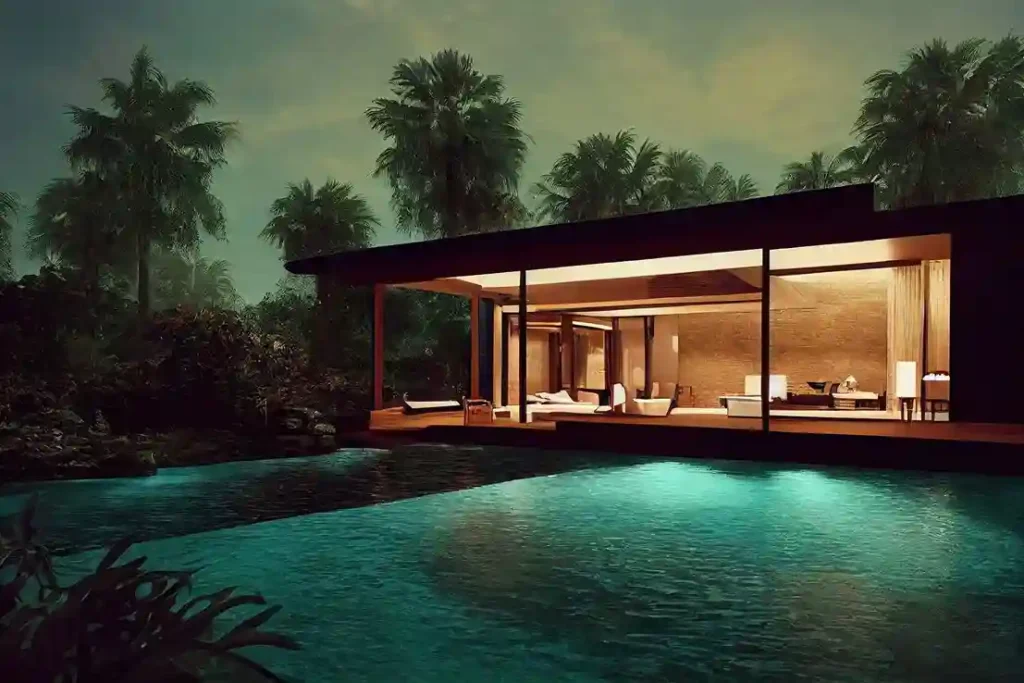
White cement blended with crushed quartz aggregate. The quartz makes the plaster harder, more stain-resistant, and longer-lasting than traditional white. Quartz plaster is also available in colors. Blues, grays, and tans let you shift the water color away from pale blue toward something deeper. Expect 10 to 12 years of life.

For most Long Beach replaster customers, the choice comes down to budget today versus replaster frequency over the next 20 years. We can talk through both at the estimate.

How is Adams Pool & Spa different from other Long Beach plastering crews?

Plenty of homeowners we meet have a story about a previous plaster job that failed early. Cracks within two years. Stains within three. Bond coat skipped to save a few hundred dollars on the front end. Here's how we run it.

One company, full lifecycle

One company, full lifecycle

We build pools, maintain pools, repair pools, and replaster pools. Same crew, same standards, same accountability. Adam, our founder, has been in the business for 15 years. He personally walks every plaster job before the application starts.

Lifetime warranty on surfaces

Lifetime warranty on surfaces

We're a partner shop with NPT, which means the plaster we install carries a lifetime warranty against material defects. Most local crews can't offer that.

We never skip the bond coat

We never skip the bond coat

A bond coat is the bonding layer between the old shell and the new plaster. It's the number one reason fresh plaster either lasts the full 10 years or starts failing in 18 months. We apply it on every job. No exceptions.

Pool School after every replaster

Pool School after every replaster

The first 28 days after a fresh plaster job determine how the surface holds up over its full life. We sit down with you for 30 to 40 minutes, explain the brushing schedule, walk through chemistry, and answer every question. Most crews hand you a card and disappear.

24-hour callback guarantee

24-hour callback guarantee

If you call and we don't pick up, you'll hear back the same day.

The pool replastering process, step by step

A clean replaster is six steps. Here's what happens at your pool.

Drain the pool

We pump the water out and dispose of it per Long Beach requirements.

Chip out the old plaster

The crew removes the failed surface down to the bond beam. We flag any shell damage or cracks before we move on.

Apply the bond coat

This is the layer that holds the new plaster to the old shell. We never skip it.

Apply the fresh plaster

White or quartz, troweled in by our crew over a single working day. The whole pool, walls and floor and steps, gets the same attention.

Refill and start equipment

We refill from your hose, start the pump and filter, and check every fitting. If we find a leak, we handle the pool leak repair before we sign off.

Startup chemistry and Pool School

We balance the water, walk you through brushing the new surface daily for the first week, and explain what the next 28 days look like.

How long does pool replastering take in Long Beach?

Most replastering jobs run 5 to 7 working days from drain to refill. Larger pools and jobs that include shell repair or tile work can stretch a day or two longer. Plaster cures best in moderate weather, so a July heat wave or a December cold snap can shift the schedule slightly. We'll give you a real timeline at the estimate, not a guess.

Startup care for a freshly replastered pool

The first 28 days after a fresh plaster application matter more than the next 28 months. Here's what they look like.

Days 1 through 7

Days 1 through 7

Daily brushing of the entire pool surface with a soft pool brush. Plaster dust comes off the new surface during the cure. If you don't brush it down, it can settle and stain.

Days 1 through 14

Days 1 through 14

Tight chemistry. Calcium hardness, pH, and alkalinity all need to stay in a specific range while the plaster sets up. We dial it in at startup and tell you what to watch.

Days 14 through 28

Days 14 through 28

Brushing every other day. Continue checking chemistry and adjusting as needed. The surface is curing the entire time.

Day 28 forward

Day 28 forward

You're on a normal pool care schedule. The plaster is set and ready for years of swimming.

A lot of fresh plaster jobs look great on day one and have problems by year three because nobody walked the homeowner through this 28-day window. Our Pool School covers all of it. If you'd rather have us handle the startup period for you, our weekly pool maintenance crew can take it over.

How much does pool replastering cost in Long Beach?

Cost depends on pool size, finish choice, and the condition of the existing shell. White plaster is the more affordable option. Quartz comes in higher because the material costs more and lasts longer. We don't quote prices over the phone because the pool tells us most of what we need to know.

Send us photos or have us out for a free in-person estimate, and we'll give you a number you can plan around. No pressure, no bait-and-switch.

Verified Google Reviews

What our Long Beach replastering customers say

"Our pool plaster was 12 years old and looked it. Adam replastered with quartz and the difference is incredible. Smooth, clean, and the new water color is exactly what we wanted.", Catherine W., Bixby Knolls (Google Review)
"Adams Pool replastered our pool last spring. They were straight with us about the timeline, on-site every day, and the Pool School after was actually useful. A year in, the surface still looks new.", David H., Lakewood (Google Review)
"Other crews quoted us low and tried to skip the bond coat. Adams was clear about why that matters. We paid a little more upfront and got a job done right.", Patricia S., Long Beach (Google Review)
Service area

Where do we provide pool replastering around Long Beach?

Long Beach pool service area coverage

Our crew handles pool replastering across LA County and northern Orange County.

Primary service areas: Long BeachSignal HillLakewoodSeal BeachNaples Island

Extended service areas: BellflowerParamountCypressDowneyLos AlamitosRossmoorBelmont ShoreBixby KnollsLakewood VillageWestminster Village

FAQ

FAQ Frequently Asked Questions

How often should a pool be replastered in Long Beach?

White plaster usually lasts 7 to 10 years. Quartz plaster lasts 10 to 12. Long Beach water is hard, so the shorter end of those ranges is more common than the longer end.

Is replastering the same as resurfacing?

Replastering is a type of resurfacing. Replastering specifically means applying fresh white or quartz plaster. Resurfacing is the broader category that also covers pebble and polished aggregate finishes.

Can I replaster a pool myself?

We don't recommend it. Plaster work is time-sensitive, the bond coat application is critical, and the startup chemistry window is tight. A bad DIY plaster job can fail in under two years, and you'll end up paying for a redo.

How long does the job take?

Most replasters run 5 to 7 working days. Add a day or two if there's shell repair or tile work bundled in.

Do you handle the water draining and disposal?

Yes. We drain to the street or sewer per Long Beach requirements and refill from your hose when the new plaster is ready.

Will my new plaster crack again?

Plaster has a finite lifespan. A properly applied job with a good bond coat should give you the full 7 to 10 years (white) or 10 to 12 years (quartz) without major issues. The lifetime surface warranty we offer covers material defects.

What about the first 28 days after replastering?

That's the window where startup matters most. Daily brushing the first week, tight chemistry the first two weeks, brushing every other day through day 28. We walk you through it during Pool School or you can have us handle it on a weekly maintenance schedule.

Can you replaster just the pool floor or do you have to do the whole thing?

We replaster the entire interior surface as a single job. Spot patching plaster is a temporary fix and doesn't extend the surface life of the rest of the pool.

Do I need a permit for replastering in Long Beach?

Standard residential replastering is interior surface work and usually doesn't require a permit. If we find shell damage that needs structural repair, that may change. We handle the paperwork either way.

How do I get started?

Call (562) 439-2693 or request a free estimate online. We'll come out, look at the pool, and walk you through finishes, timeline, and pricing.

Get started with pool replastering in Long Beach

Worn plaster doesn't get better on its own. If your pool surface is rough, cracked, or stained, a fresh layer of plaster brings it back. Call Adams Pool & Spa at (562) 439-2693 or request your free pool replastering estimate today.

Pool Replastering Reference

What we restore in a replaster job

Plaster on top of shotcrete, with chemistry that protects the surface long-term.

Plaster

The interior finish coat on a gunite pool, traditionally white marble plaster. Modern variants include color quartz and pebble aggregate. Lifespan is 8 to 15 years before replastering is needed.

Wikipedia ↗ · Wikidata ↗

Shotcrete

Concrete pneumatically projected at high velocity onto a steel rebar cage. Forms the structural shell of every gunite pool and is the construction method we use on new Long Beach builds.

Wikipedia ↗ · Wikidata ↗

Cyanuric acid

A chlorine stabilizer that protects free chlorine from UV degradation in outdoor pools. Held between 30 and 50 ppm in residential Long Beach pools; over 80 ppm chlorine becomes ineffective.

Wikipedia ↗ · Wikidata ↗